The newsroom operating system
Follow a story from the first signal to the published edition and the next update. Bair connects the people, source material and tools behind every editorial decision.
See Bair at workProduct walkthrough
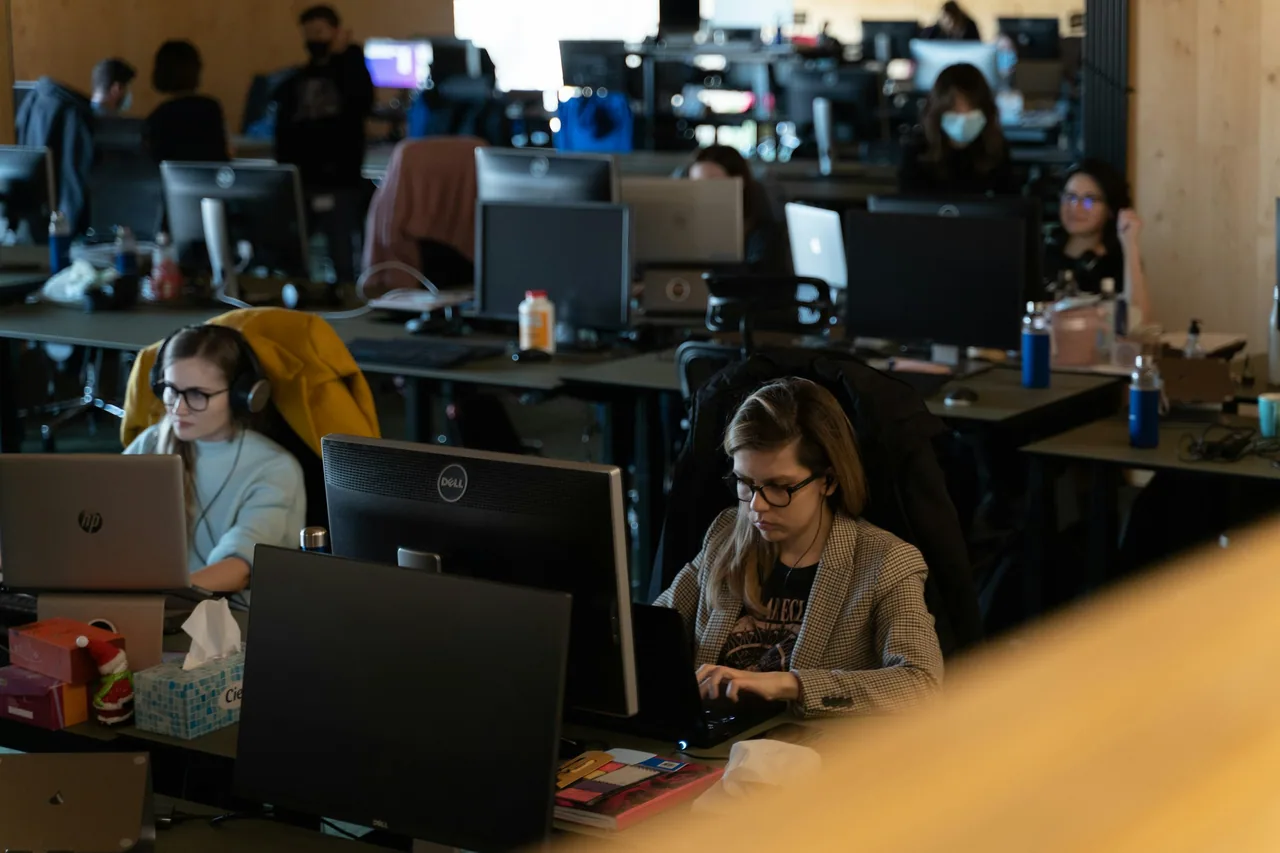
Newsroom Hub brings roles, expertise and active work into one view.
A story moves through the whole newsroom
The same reporting stays connected as desks plan the coverage, commission the work, write the article and prepare its different editions.
Content Calendar
See the newsday even before it starts
Tournament openings, planned announcements and seasonal stories sit alongside the daily news agenda. Editors can see busy days, missing coverage and unfinished work before the morning meeting.
Explore PlanningPitch Flow
Give a signal an editorial direction
An incoming development becomes a pitch with an angle, an audience and questions worth answering. The desk can discuss the evidence and decide what reporting is needed before commissioning the story.
Explore Pitch and commission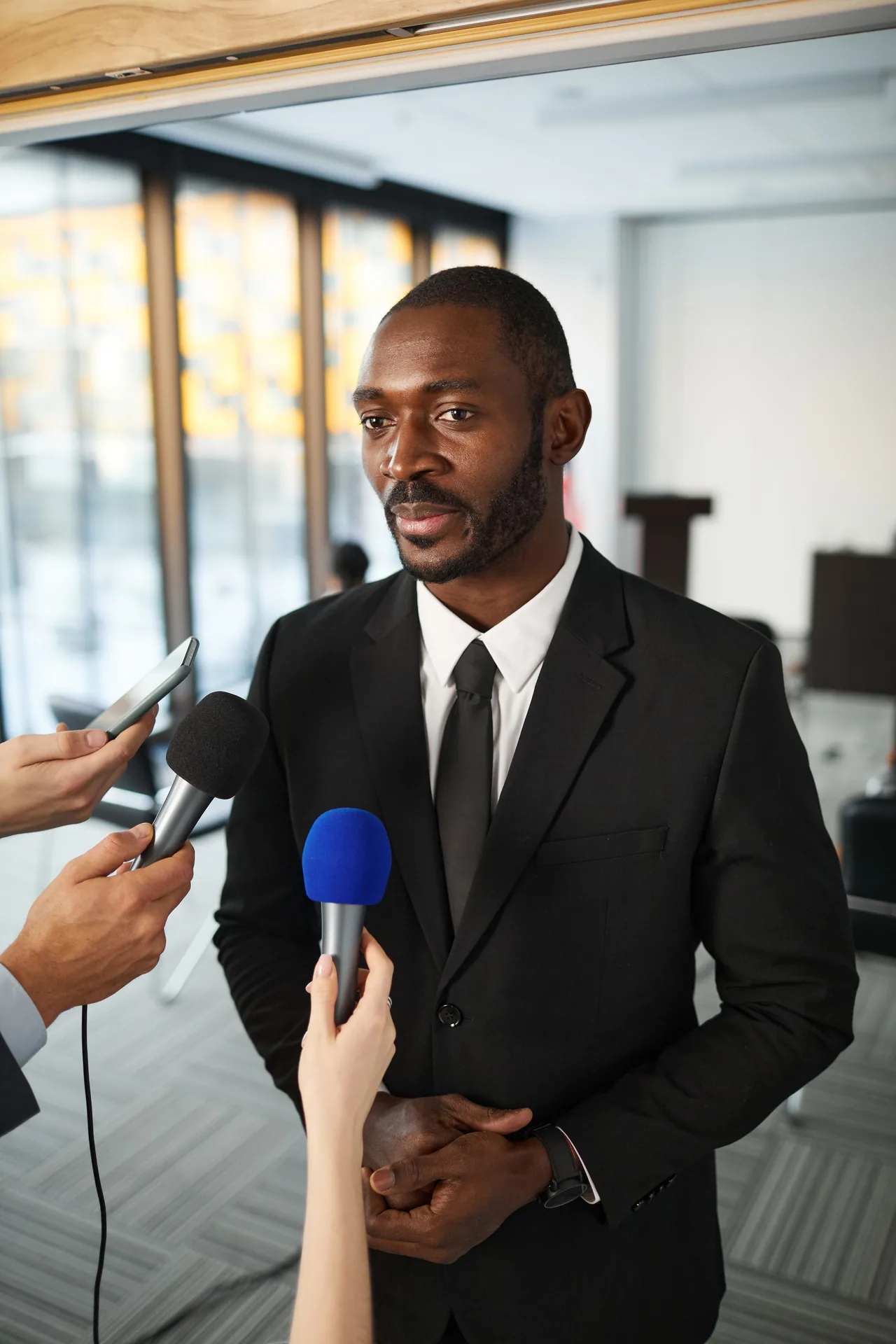
The questions come from the newsroom
A statement opens a story. The desk defines what needs checking, who should be heard and which team takes the assignment.
Werner Pfennig / Pexels
The reporting travels with the story
Notes, interviews and source material remain part of the working dossier as the article moves between the reporter and the desk.
Mizuno K / Pexels · Bair Media screen montageArticle Studio
Write the story with its evidence beside it
Headline, introduction, highlights and body copy form one working article. Photography, source material and revisions stay within reach, so the editor can move between writing and checking without losing context.
Explore Article StudioContent Overview
See the whole life of one story
The homepage, article, social post, infographic and podcast treatment are visible together. Editors can follow what is published, scheduled or still being prepared, and see which outputs need the next update.
Explore PublishingCurrent norm
Put the editorial promise beside the published work
Editorial DNA compares the agreed standard with the archive and current output. Value families make it easier to discuss where a title is keeping its promise and where the evidence calls for attention.
Explore LearningCompanion App
The newsroom goes with you
A reporter at the scene. A news editor at the desk. The same story stays between them, from the first signal to the next update.
Watch the Companion App at work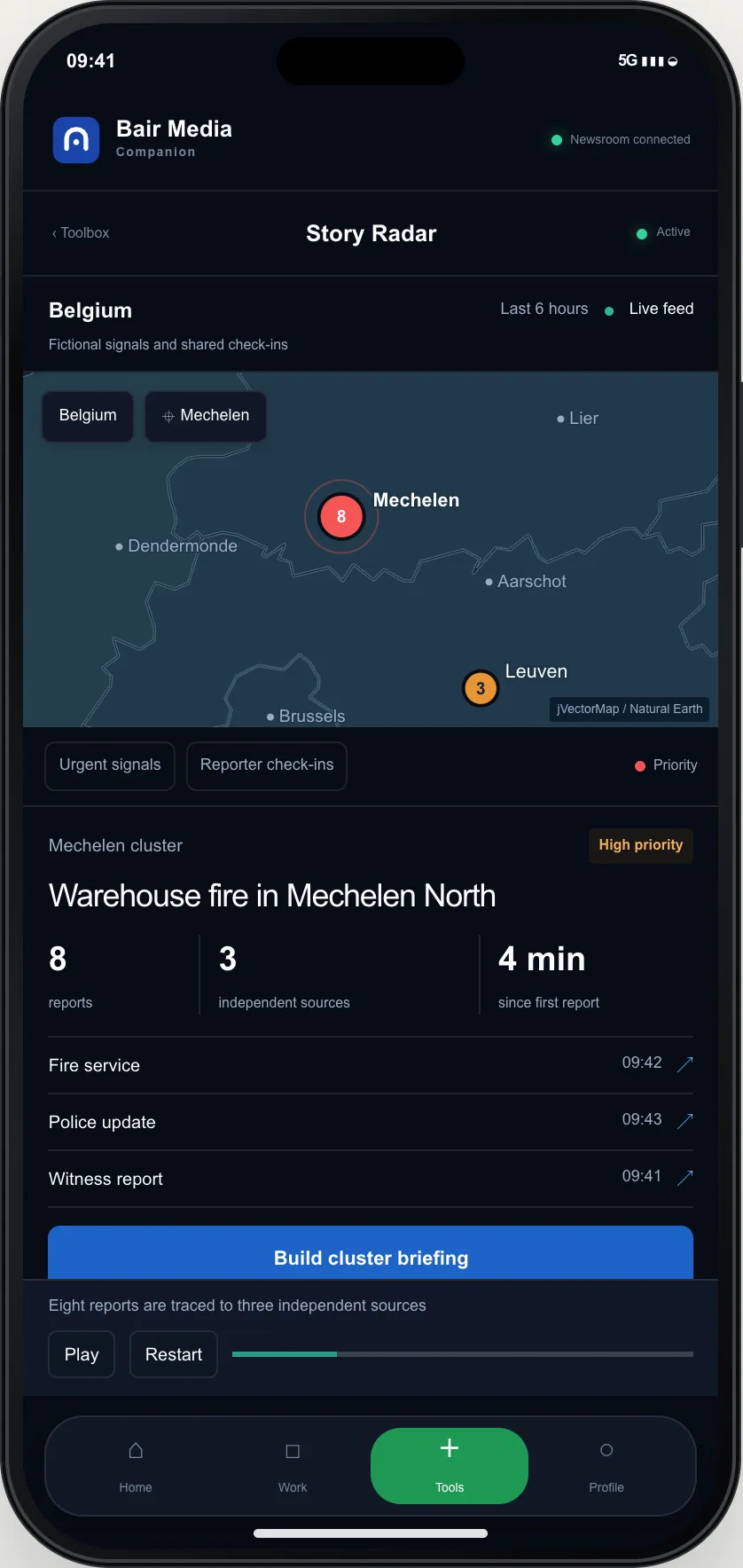
Breaking Room and Field Reporter · Quick Verify · Interview Copilot · Press Conference · Story Radar
Ten problems, ten solutions
From the first brief to the next newsday: a selection of what Bair Media can do for a newsroom.
AI use is fragmented across the newsroom.
Bair Media brings applications, curated knowledge and editorial rules together. Automation can be configured for each title, desk and role, with human oversight built in.
Too much work starts from scratch.
Bair Media prepares briefs and drafts, assembles newsletters and creates social posts for six channels. Editors refine and approve the work. Starting from scratch remains an option.
Editorial identity is difficult to define and maintain.
The DNA system adapts assistance to each journalist and title. It compares the intended editorial identity with daily output and brings deviations into editorial review.
Checking sources and facts takes time, especially on deadline.
Bair Media keeps sources, quotes and figures alongside the article and flags missing evidence or possible contradictions. The journalist assesses the evidence.
Content performance is often reviewed only afterwards.
Bair Media helps shape headlines, angles and distribution before publication. While a story is live, current figures help editors test headlines, adjust placement and rebalance the content mix.
Results and corrections do not consistently inform the next story.
Bair Media connects choices across titles, channels, topics and writing styles to real traffic and engagement figures. Approved lessons inform future work. Authorised editors can also set rules directly in plain language.
Desks and titles do not make full use of each other’s reporting.
Fan Out proposes different stories from shared source material. Brand Switch helps develop them for each title, with its own angle and promise to readers.
Decisions and context get scattered during production and handovers.
Bair Media connects each pitch to assignments for copy, photography, video, graphics and publishing. Briefs, owners, deadlines and progress remain visible together.
The content calendar takes too much manual work and stays too static.
Bair Media prepares complete topic playbooks: story options, timing and channels that fit the content mix. Relevant archive work is included and prepared for updating.
Statements and promises are too easily forgotten.
Bair Media connects statements by experts, politicians and policymakers to follow-up dates and new evidence. Journalists can systematically hold them to their words.
Walk through your own newsroom day
Bring a story and the way your team works. We will walk through the reporting, production and editorial decisions together.